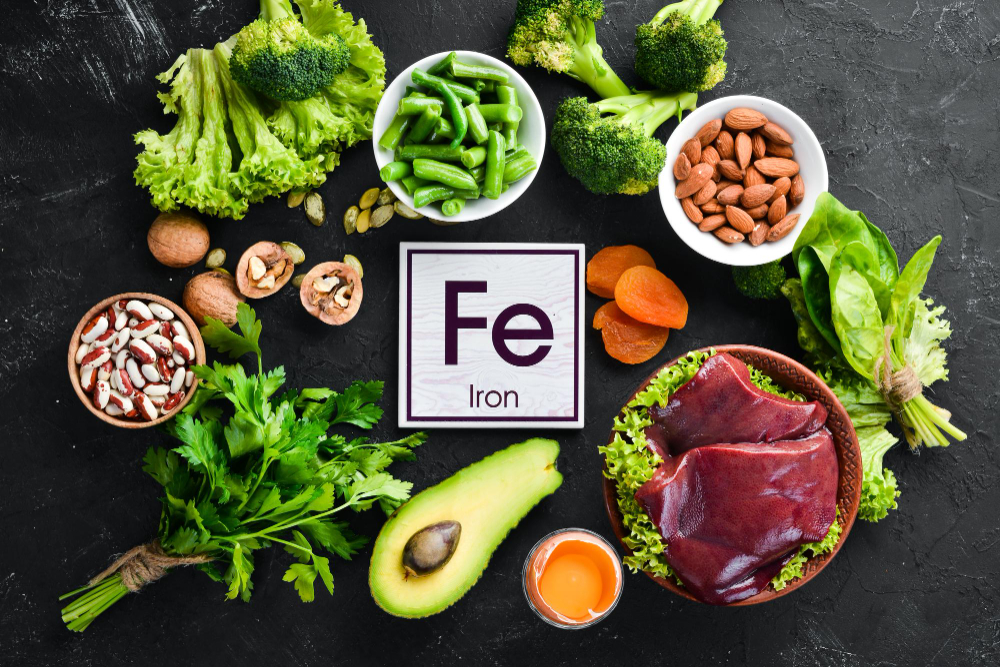
What Are Vitamin & Iron Deficiencies?
Vitamin and iron deficiencies happen when your body does not get enough of these important nutrients. Both vitamins and iron help your body work well. For example, vitamins support your immune system, while iron helps carry oxygen in your blood. Without enough of these, you may feel tired or weak. In many places, these deficiencies are common, especially where diets lack variety. According to the World Health Organization (WHO), iron deficiency is the most common and widespread nutritional disorder in the world.
Common Symptoms
Often, symptoms of vitamin and iron deficiencies can be mild at first. However, they may get worse over time. Early signs of vitamin deficiency or low iron can include:
Sometimes, you may notice changes in your mood or memory. For example, children may have trouble learning or growing. If you see these signs of vitamin deficiency or iron deficiency symptoms, it is important to pay attention.
Causes and Risk Factors
There are many reasons why vitamin and iron deficiencies can happen. For instance, some people do not eat enough foods rich in these nutrients. Others may have health problems that make it hard to absorb vitamins or iron. Common causes and risk factors include:
In some regions, lack of access to fresh fruits, vegetables, or iron-rich foods can increase risk. Therefore, knowing your risk factors can help you prevent these problems.
Diagnosis Methods
Doctors use several ways to find out if you have vitamin and iron deficiencies. First, they may ask about your diet and health history. Next, they may check for physical signs. However, the most reliable way is through blood tests. These tests can measure levels of vitamins and iron in your body. Sometimes, your doctor may order more tests to find the cause. Early diagnosis is important, as it helps prevent serious health problems.
Treatment Options
Treatment for low iron and vitamins depends on the cause and severity. Usually, doctors suggest:
For example, if you have iron deficiency anemia, your doctor may recommend iron tablets. But, you should only take supplements under medical advice. Too much iron or vitamins can also be harmful.
Prevention Tips and Healthy Lifestyle Guidance
Fortunately, you can prevent most vitamin and iron deficiencies with simple steps. Here are some tips on how to prevent vitamin and iron deficiencies:
In some areas, local foods may be low in certain vitamins or iron. Therefore, talk to your doctor about your diet, especially if you have special needs or live in a region with limited food options.
When to See a Doctor
If you notice ongoing tiredness, pale skin, or other signs of vitamin or iron deficiency, do not ignore them. Also, if you have a health condition that affects your diet or digestion, regular check-ups are important. Early treatment can prevent serious problems. Consult Dr.Akaash Kalasua for personalized advice on vitamin and iron deficiencies.