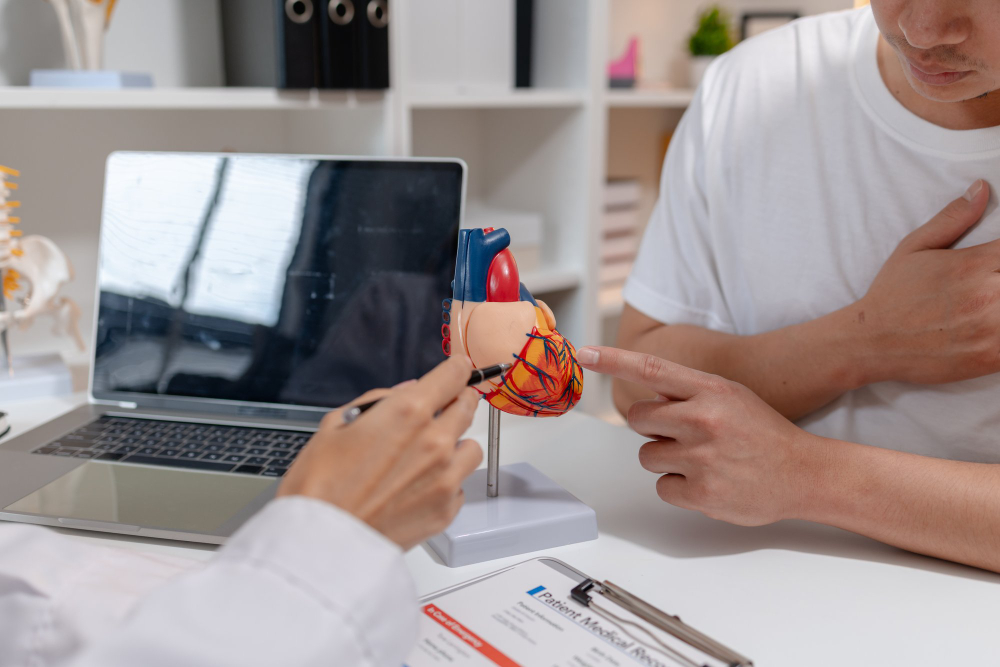
Many people have questions about ECG test myths. Some worry about safety, while others wonder if it is really needed. Because of these concerns, it is important to know the facts. In this blog, we will clear up common misunderstandings. You will learn what an ECG test is, how to prepare, and what to expect. We will also explain who needs an ECG test and discuss electrocardiogram safety. This information is based on trusted sources like the World Health Organization and the Centers for Disease Control and Prevention.
What Is an ECG Test?
An ECG test, also called an electrocardiogram, checks your heart’s electrical activity. During the test, small sticky pads are placed on your chest, arms, and legs. These pads connect to a machine that records your heart’s signals. As a result, doctors can see if your heart is beating normally. The test is quick, painless, and usually takes less than 10 minutes.
Common Myths About ECG Tests
Many myths about ECG tests can cause worry. However, most of these are not true. Let’s look at some of the most common myths and the real facts behind them:
Facts About ECG Tests
Now, let’s look at the real facts about ECG tests. Knowing these facts can help you feel more comfortable and prepared:
How to Prepare for an ECG Test
Preparing for an ECG test is simple. First, wear comfortable clothing so the doctor can easily place the sticky pads. If you have chest hair, you may need to shave small areas. This helps the pads stick better. Usually, you do not need to stop eating or drinking. However, always follow any special instructions from your doctor. In some clinics, like those offering an ECG test in your city, staff will guide you through each step.
When Is an ECG Test Recommended?
Doctors may suggest an ECG test for many reasons. For example, you might need one if you have chest pain, dizziness, or a fast heartbeat. Sometimes, doctors use ECGs during a regular check-up, especially if you have a family history of heart disease. In addition, people with high blood pressure or diabetes may need an ECG. If you wonder who needs an ECG test, your doctor can help decide based on your health and symptoms.
Safety and Risks of ECG Tests
Many people ask about electrocardiogram safety. According to the CDC and WHO, ECG tests are very safe. There is no risk of electric shock because the machine only records signals. Sometimes, your skin may feel a little sore from the sticky pads, but this goes away quickly. Overall, there are no serious risks linked to ECG tests.
Understanding Your ECG Results
After your ECG test, your doctor will review the results. Sometimes, the test shows your heart is working well. Other times, it may show signs of a problem, such as an irregular heartbeat. If the results are unclear, your doctor may order more tests. Because each person is different, only a trained health professional can explain what your ECG means for you.