Introduction
Digital X-ray is a modern imaging technology that helps doctors see inside the body quickly and clearly. Unlike old film X-rays, digital X-rays use computers to capture images. As a result, patients benefit from faster results, less radiation, and better image quality. Many clinics now offer digital X-ray services, making it easier to get care close to home. In fact, the advantages of digital X-ray include improved safety, comfort, and accuracy. Digital radiography benefits both patients and healthcare teams by making diagnosis and treatment more efficient.
What Is Digital X-Ray?
Digital X-ray is a way to take pictures of bones and organs using electronic sensors instead of film. For example, when you get a digital X-ray, the image appears on a computer screen within seconds. This technology is also called digital radiography. Because it is fast and clear, doctors can spot problems sooner. Many hospitals and clinics now use digital X-ray as their main imaging tool.
How Digital X-Ray Works
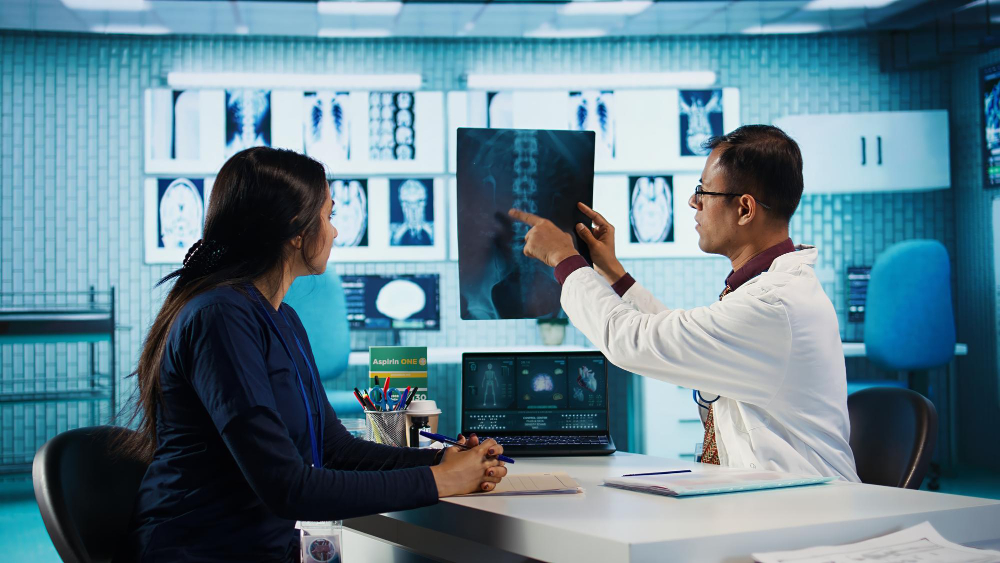
First, a small amount of X-ray energy passes through the body. Then, special digital sensors capture the image. After that, the computer turns the data into a clear picture. Doctors can zoom in, adjust brightness, or share the image instantly. In addition, digital X-rays can be stored safely in electronic health records. This makes it easy for different doctors to review your images if needed.
Key Benefits of Digital X-Ray Technology
Digital X-ray offers many advantages over older methods. For instance, patients often spend less time in the exam room. Also, images are ready almost right away. Here are some key benefits:
According to the World Health Organization, digital imaging can improve patient safety and care by reducing errors and making information more accessible.
Safety and Radiation Exposure
Many people worry about radiation from X-rays. However, digital X-ray uses less radiation than traditional film methods. In fact, the Centers for Disease Control and Prevention (CDC) states that digital X-ray is safer for both children and adults. Because the technology is more sensitive, doctors can use lower doses while still getting clear images. Even so, healthcare teams always use the lowest dose needed for each exam.
Common Uses of Digital X-Ray in Healthcare
Digital X-ray helps doctors diagnose many health problems. For example, it is often used to:
Because digital X-ray is fast and accurate, it is used in emergency rooms, clinics, and dental offices across the country.
Comparing Digital X-Ray to Traditional X-Ray
While both types use X-ray energy, digital X-ray has many advantages. For one thing, digital images are clearer and easier to read. Also, doctors can adjust the image to see details better. In contrast, film X-rays take longer to develop and may need to be repeated if the image is not clear. Digital X-ray also reduces the need for chemicals used in film processing, making it better for the environment.
Accessibility and Patient Experience
Today, digital X-ray services are widely available in many cities and towns. Because the process is quick and comfortable, patients often feel less stress during exams. For example, you may not need to wait long for your results. In addition, digital X-ray machines are designed to be more comfortable, especially for children and older adults. Many clinics in your area now offer digital X-ray as part of their regular care.
Future Trends in Digital Imaging
Digital X-ray technology continues to improve. Soon, even faster and safer machines will be available. For instance, new software can help doctors spot problems earlier. In addition, digital images can be shared with experts anywhere in the world for a second opinion. As technology advances, patients will benefit from even better care and more accurate results.