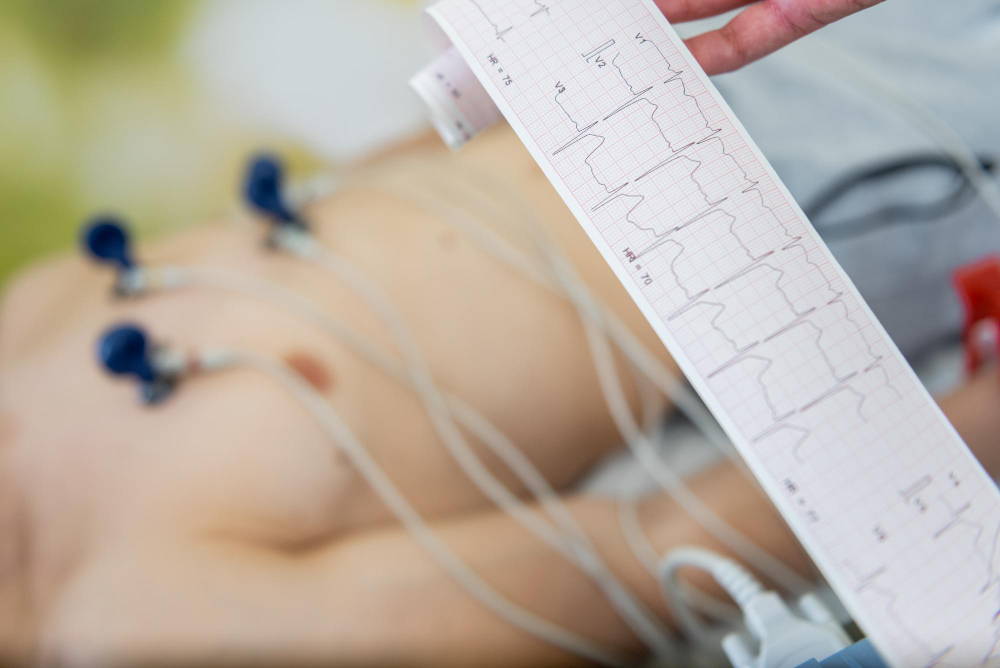
What Is an ECG Test?
An ECG test, also called an electrocardiogram, checks how your heart is working. It records the electrical signals in your heart. Doctors use this test to look for heart problems. For example, it can help find irregular heartbeats or signs of a heart attack. Many clinics and hospitals offer ECG tests. If you wonder when should you get an ECG test, this guide will help you understand the reasons and process.
Common Symptoms or Situations Indicating You May Need an ECG
Sometimes, your body gives warning signs that your heart needs checking. In these cases, an ECG can help. For instance, you may need an ECG if you have:
Additionally, if you feel your heart is skipping beats, let your doctor know. These symptoms are common ECG indications and should not be ignored.
Medical Conditions or Risk Factors That Warrant an ECG
Doctors may suggest an ECG if you have certain health risks. For example, you may need an ECG if you have:
Moreover, some people need regular heart health screening. If you are over 40 or have these risk factors, your doctor may check your heart more often.
How Doctors Decide When to Order an ECG
Doctors look at your symptoms and health history before ordering an ECG. For example, if you report chest pain or fainting, they may order the test right away. Sometimes, doctors use ECGs to check your heart before surgery. In addition, if you start a new medicine that affects the heart, an ECG may be needed. Your doctor will explain why the test is important for you.
What to Expect During the ECG Test
During the ECG test, you will lie down on a bed or table. Next, a nurse or technician will place small sticky patches, called electrodes, on your chest, arms, and legs. These patches connect to wires that record your heart’s signals. The test does not hurt and usually takes about 5 to 10 minutes. You will need to stay still and breathe normally. After the test, you can return to your usual activities.
How to Prepare for an ECG
Usually, you do not need to do much to get ready for an ECG. However, here are some tips to help:
In most cases, you can eat and drink as usual before the ECG. If you have questions, ask your doctor or the clinic staff.
Safety, Risks, and Limitations of ECG Testing
ECG tests are safe and painless. The test does not send electricity into your body. Instead, it only records your heart’s signals. Sometimes, the sticky patches may cause mild skin redness. However, this goes away quickly. It is important to know that an ECG cannot find all heart problems. For example, if your heart issue happens only sometimes, the test may not catch it. In these cases, your doctor may order more tests, like a Holter monitor or stress test.
Frequently Asked Questions About ECGs
For trusted guidance and comprehensive care, Consult Dr. Akaash Kalasua for