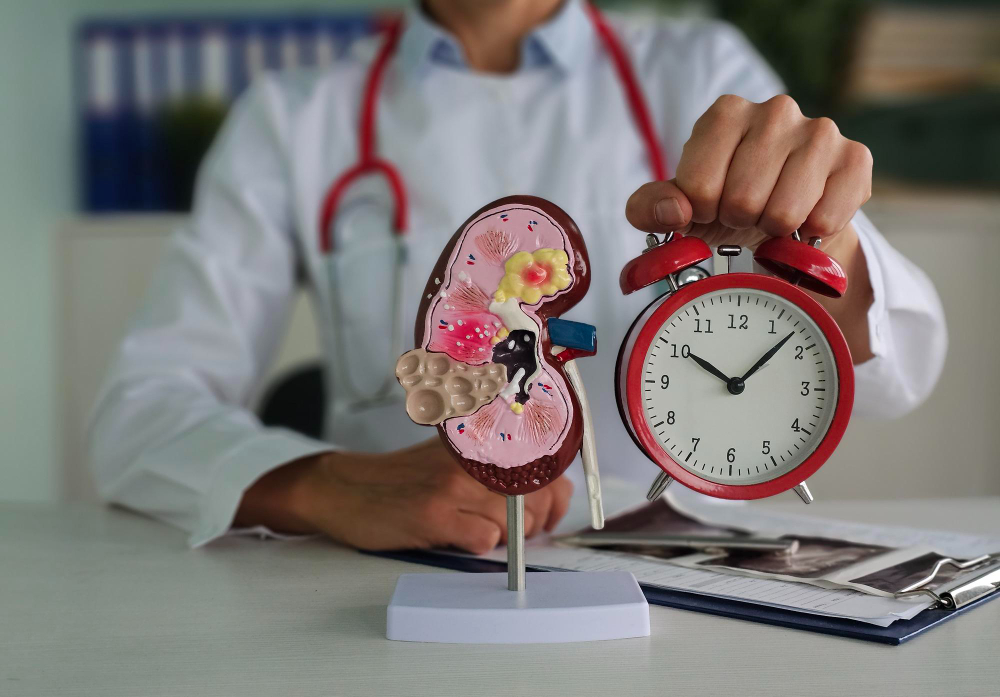
What Is a Kidney Function Test (KFT)?
Kidney Function Test, also called KFT, is a group of blood and urine tests. These tests check how well your kidneys are working. Since your kidneys filter waste and extra water from your blood, their health is very important. KFT helps doctors find problems early. For example, it can show if your kidneys are damaged or not working as they should. The test is simple and safe. Most people get it as part of a regular health checkup or if they have certain symptoms.
Why Is a Kidney Function Test Important?
Many people do not notice kidney problems until they become serious. Because of this, the kidney function test purpose is to catch issues early. Healthy kidneys remove waste, balance fluids, and control blood pressure. If your kidneys are not working well, waste can build up in your body. Over time, this can lead to serious health problems. Early testing helps you and your doctor take action before things get worse. According to the CDC, early detection can prevent kidney disease from getting worse.
When Should You Get a Kidney Function Test?
Knowing when to get a kidney function test is key. Some people need regular testing, while others may only need it if they have symptoms. You should get a KFT if you:
Additionally, your doctor may suggest a KFT if you have other risk factors. Early testing helps protect your kidney health.
Common Symptoms Indicating the Need for KFT
Sometimes, your body gives warning signs that your kidneys need checking. If you notice these symptoms, talk to your doctor about a KFT:
Because these symptoms can be caused by other problems too, a KFT helps find the real cause.
How Is a Kidney Function Test Performed?
The KFT procedure is simple. First, a nurse or technician takes a small blood sample from your arm. Sometimes, you may also need to give a urine sample. These samples are sent to a lab for testing. The tests measure things like:
Usually, you can go home right after the test. Results are often ready within a few days.
Understanding Your KFT Results
After your KFT, your doctor will explain the results. Each test looks at different parts of kidney health. For example, high creatinine or BUN levels may mean your kidneys are not working well. The eGFR shows how well your kidneys filter blood. A low eGFR can be a sign of kidney disease. However, sometimes results can change because of dehydration or other health issues. Your doctor will help you understand what your numbers mean and what steps to take next.
How to Prepare for a Kidney Function Test
Preparing for a KFT is easy. In most cases, you do not need to do much. However, your doctor may ask you to:
Always follow your doctor’s instructions. If you have questions, ask before your test.
Tips for Maintaining Healthy Kidneys
Keeping your kidneys healthy is important for your overall well-being. Here are some easy tips:
Because small changes can make a big difference, start with one or two tips and build healthy habits over time.
Prevention and Early Detection of Kidney Problems
Preventing kidney disease is easier than treating it. Regular checkups and early KFTs help find problems before they get worse. If you have risk factors, talk to your doctor about how often you need testing. Early action can slow or stop kidney damage. The World Health Organization recommends regular screening for people at risk. By staying informed and making healthy choices, you can protect your kidneys for life.