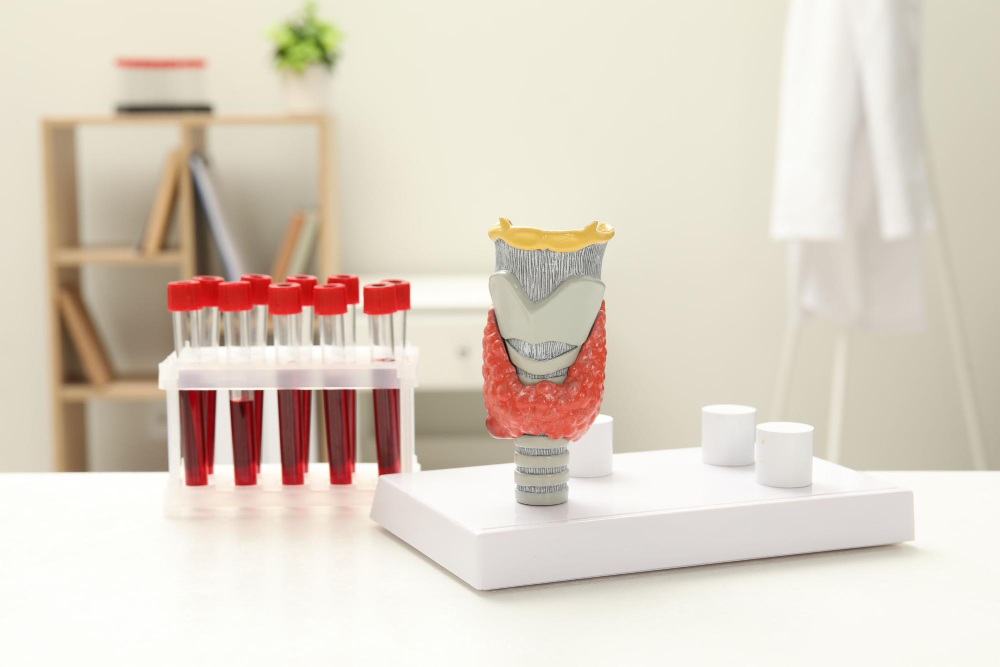
What is a Thyroid Profile Test?
The Thyroid Profile Test checks how well your thyroid gland works. This test measures three main hormones: T3, T4, and TSH. These hormones help control your body’s energy and metabolism. Because thyroid problems are common, doctors often use this test to check thyroid health. The test is simple and uses a small blood sample.
Why is the Thyroid Profile Test Important?
Many people have thyroid issues without knowing it. Early testing can help find problems before they get worse. For example, an imbalance in thyroid hormones can affect your mood, weight, and energy. With a Thyroid Profile Test, you can spot issues early and get the right treatment. In addition, regular testing helps track your thyroid function over time.
Understanding T3, T4, and TSH: What Do They Mean?
Each part of the thyroid test gives important information:
Because these hormones work together, doctors look at all three to understand your thyroid function.
Common Symptoms Indicating a Thyroid Test
Sometimes, your body gives signs that you need a thyroid test. Watch for these symptoms:
If you notice these signs of thyroid problems, talk to your doctor. Early testing can help prevent more serious issues.
How is the Thyroid Profile Test Performed?
The test is quick and simple. First, a healthcare worker takes a small blood sample from your arm. You may need to fast before the test, so ask your doctor how to prepare for a thyroid test. After the sample is taken, it goes to a lab for analysis. Usually, you get your results in a few days. Many clinics offer thyroid testing near you for easy access.
Interpreting Your Thyroid Test Results
Understanding your results is important. Here is what doctors usually look for:
If your TSH is high and T3/T4 are low, you may have an underactive thyroid (hypothyroidism). If TSH is low and T3/T4 are high, it may mean an overactive thyroid (hyperthyroidism). However, only a doctor can diagnose thyroid hormone imbalance. For more details, see resources from the CDC and WHO.
When to Consult a Doctor
Even if your symptoms are mild, it is wise to seek medical advice. For example, if your test results are outside the normal range, talk to a healthcare specialist. They can explain what your results mean and suggest treatment if needed. Also, regular check-ups help keep your thyroid health on track.
In summary, the Thyroid Profile Test is a key tool for checking thyroid health. If you have symptoms or concerns, consult Dr. Akaash Kalasua for personalized thyroid health advice.