Introduction
Many people check their blood sugar and feel safe if the numbers look normal. However, it is important to know why your HbA1c matters even if sugar seems normal. HbA1c is a special blood test that shows your average blood sugar over the past three months. Because of this, it can reveal hidden diabetes risks that daily checks might miss. Understanding HbA1c importance can help you take better care of your health.
What is HbA1c?
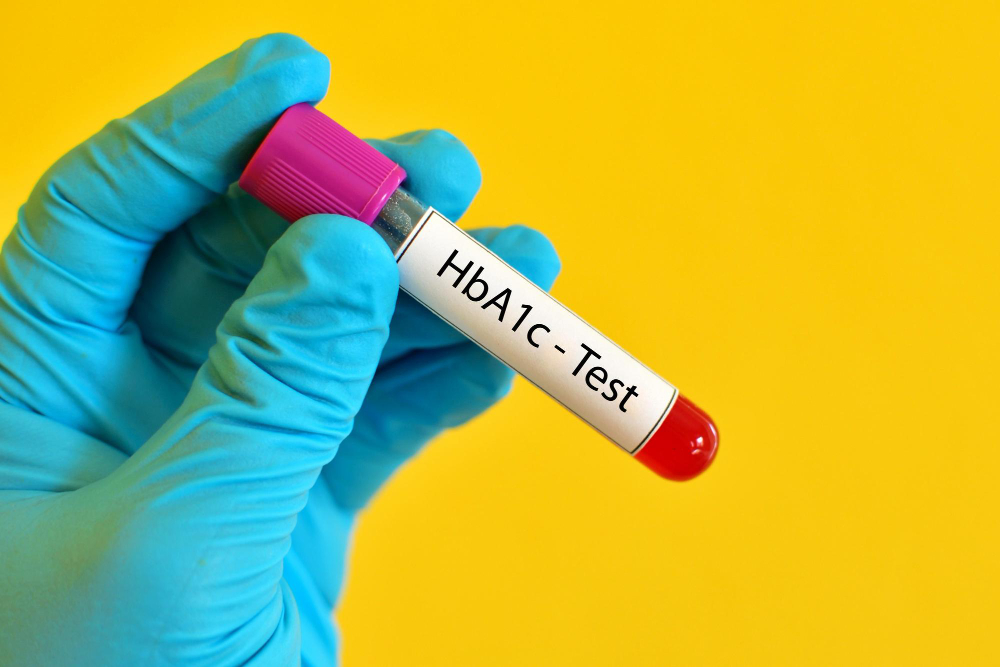
HbA1c stands for hemoglobin A1c. It is a simple blood test. This test measures how much sugar is attached to your red blood cells. Since red blood cells live for about three months, HbA1c shows your average sugar level during that time. For most adults, a healthy HbA1c is below 5.7%. Higher numbers may mean prediabetes or diabetes. The World Health Organization (WHO) and the Centers for Disease Control and Prevention (CDC) both recommend using HbA1c to check for diabetes.
Difference Between HbA1c and Daily Blood Sugar Readings
Daily blood sugar readings show your sugar level at one moment. You might check it before meals or after eating. But, these numbers can change a lot during the day. On the other hand, HbA1c gives a bigger picture. It tells you your average sugar level over months. For example, your daily readings may look normal, but your HbA1c could still be high. This is why monitoring HbA1c at home or with your doctor is important.
Why Normal Sugar Levels May Not Tell the Whole Story
Sometimes, people have normal sugar readings but a high HbA1c. This can happen for several reasons:
Therefore, only looking at daily numbers can hide real problems. In fact, hidden diabetes risks can go unnoticed for years. That is why your HbA1c matters even if sugar seems normal.
Health Risks of Ignoring High HbA1c
Ignoring a high HbA1c can be dangerous. Over time, high average sugar can damage your body. For example, it can harm your eyes, kidneys, nerves, and heart. Even if you feel fine, high HbA1c increases your risk for:
According to the CDC, keeping your HbA1c in a healthy range lowers these risks. So, it is important to pay attention to both daily sugar and HbA1c.
How to Monitor and Manage Your HbA1c
It is easy to check your HbA1c with a blood test at your doctor’s office. Some people can also use home test kits. However, always talk to your doctor before using these kits. To manage your HbA1c, you can:
For Indian patients and those in the US, regular check-ups are key. This helps you spot problems early and avoid hidden diabetes risks.
Prevention Tips and Healthy Lifestyle Guidance
Living a healthy life can help keep your HbA1c in check. Here are some easy tips:
In addition, always follow your doctor’s advice. Small changes can make a big difference over time.
Conclusion
In summary, your HbA1c matters even if sugar seems normal. This test gives a true picture of your average blood sugar. Ignoring high HbA1c can lead to serious health problems. Therefore, monitor your HbA1c and follow healthy habits. Consult Dr. Akaash Kalasua at SKY PATH LAB for personalized advice on your HbA1c and blood sugar management.